
Vagus Nerve Dysfunction Treatment | Physical Therapy at Congruency
If you’ve been dealing with lingering symptoms like chronic inflammation, digestive discomfort, fatigue, anxiety, or trouble relaxing—and haven’t found lasting answers—the vagus nerve may be part of the problem.
The vagus nerve travels through areas that are commonly affected by posture, stress, injuries, and surgery. When tissues become tight or restricted, they can place constant tension on the nerve.
Physical therapy helps by:
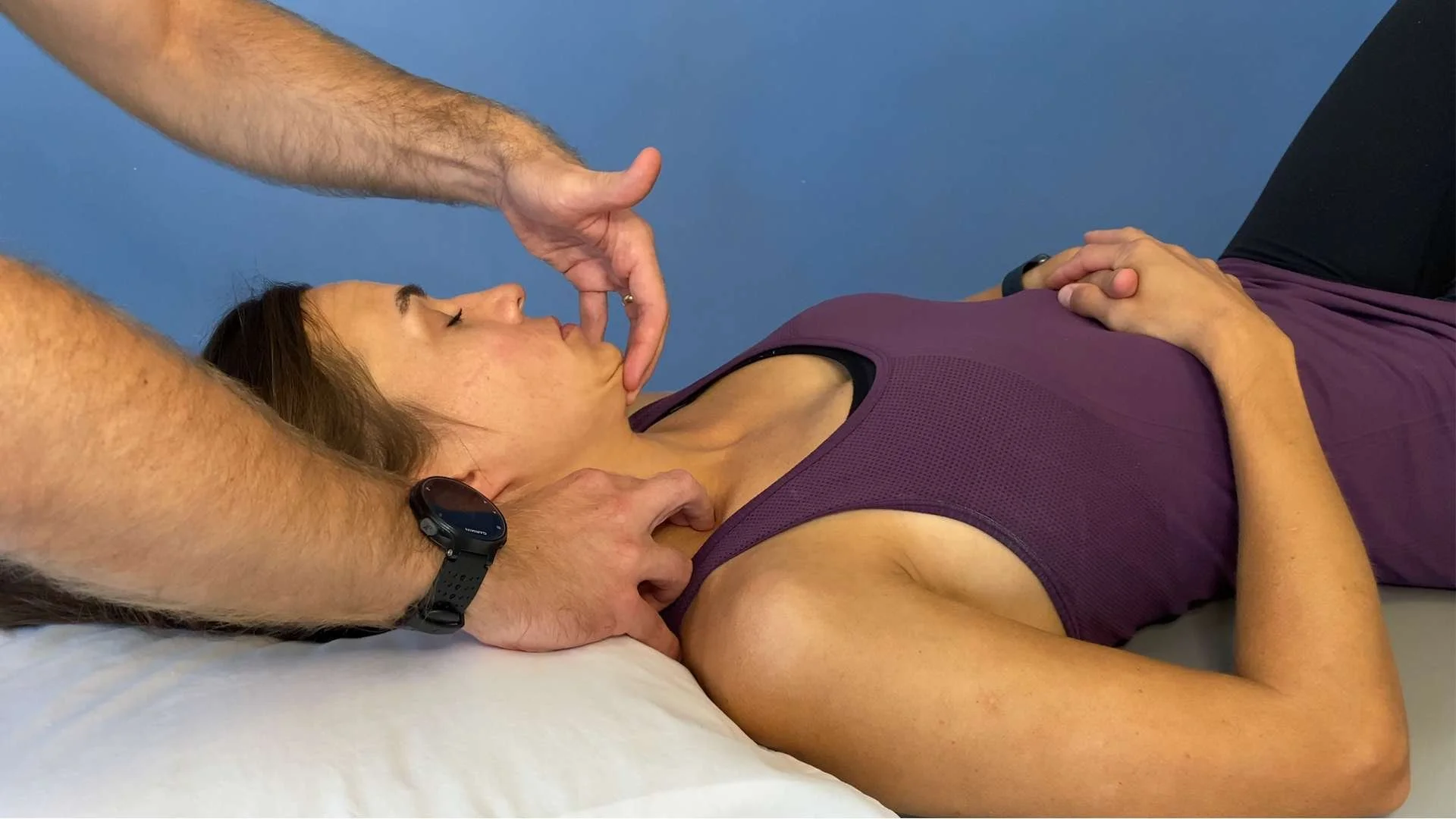
Reducing tension in the neck, chest, and diaphragm
Restoring normal movement to restricted tissues
Supporting healthier breathing patterns
Creating an environment where the nervous system can regulate more effectively
This approach addresses the root physical contributors, not just symptoms.
Why Physical Therapy for Vagus Nerve Dysfunction?
Many approaches focus only on calming techniques or breathing exercises. While helpful, those strategies may not be enough if the nerve is under ongoing physical strain.
Our therapists take a whole-body approach, carefully assessing the areas where the vagus nerve may be restricted and using hands-on treatment to restore mobility and balance.
Care is individualized, gentle, and focused on long-term improvement—not quick fixes.
What Makes Our Approach Different?
Who This Is For
You may benefit from this approach if you:
Feel stuck in a constant stress response
Have digestive or breathing symptoms without clear answers
Notice symptoms worsen with posture, tension, or past injuries
Want a natural, hands-on approach to nervous system health
Why Choose Congruency Therapy & Wellness?
1:1 care with your physical therapist — individualized, compassionate care
Whole body approach tailored to your goals and activities
Hands-on treatment + movement re-education for measurable change
Relaxed, welcoming environment focused on your comfort and progress
Clear communication every step of the way

FAQs
-
It should not be painful. You may feel gentle pressure or a stretching sensation, but treatment is always adjusted to your comfort level.
-
This varies based on your goals and condition. Many people feel improvement in 1–2 visits, while others benefit from a more structured plan of care. Myofascial release is a part to a whole treatment plan and many times our clients need to progress through a plan of care for lasting results.
-
Not exactly — myofascial release is more specific, slower, and targeted. It focuses on the connective tissue around the muscles (fascia) rather than the muscle belly. That being said, massage therapists may have training in myofascial release.
-
Yes. We integrate myofascial release with functional manual therapy (FMT®), strengthening, mobility work, dry needling, and movement retraining to maximize your results.
Check out our Vagus Nerve blog to learn more.
Ready to Balance your Nervous System?
If you’re feeling stiff, restricted, or limited in your movement, we can help.
Book your one-on-one evaluation today.
