Vagus Nerve Dysfunction: Symptoms, Causes, and How Physical Therapy Can Help
The vagus nerve plays a major role in helping your body relax, digest, breathe, and recover from stress. When it isn’t working properly, symptoms can appear throughout the body—often leaving people confused about the cause.
Understanding how the vagus nerve works is the first step toward finding the right treatment.
What Is the Vagus Nerve?
The vagus nerve begins at the base of the brain and travels through the neck, chest, and abdomen. Along its path, it communicates with key organs including the heart, lungs, diaphragm, stomach, and intestines.
Its job is to help regulate the body’s “rest and digest” system—supporting calm, steady function rather than constant stress.
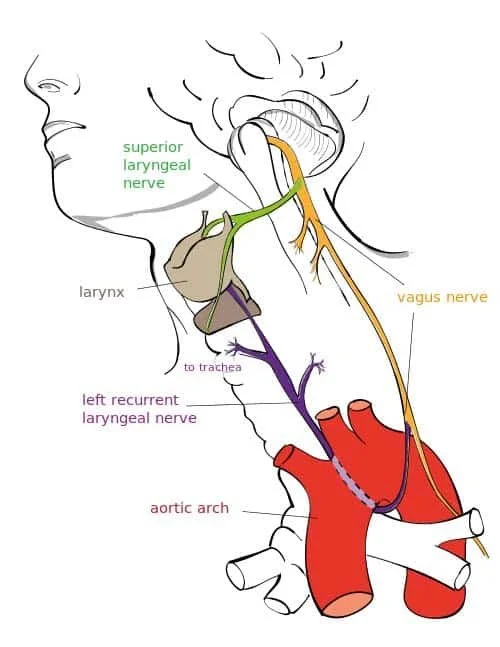
Image found teachmeanatomy
How Does Vagus Nerve Dysfunction Happen?
Vagus nerve dysfunction occurs when communication along the nerve becomes disrupted.
While stress, illness, and inflammation can play a role, an often-overlooked cause is physical tension along the nerve’s pathway. Tight muscles, restricted fascia, past injuries, or scar tissue can place strain on the nerve, making it harder for signals to travel effectively.
Common Symptoms of Vagus Nerve Dysfunction
Because the vagus nerve affects many systems, symptoms can vary. Common signs include:
Ongoing anxiety or feeling unable to relax/Chronic Stress
Digestive issues such as bloating or reflux
Fatigue or low energy
Low Heart Rate Variability
Chronic pain/inflammation
Difficulty sleeping
Many people experience several of these symptoms at the same time.
How Physical Therapy Can Help the Vagus Nerve
When vagus nerve dysfunction has a mechanical or physical component, physical therapy can be an important part of recovery.
Physical therapy at Congruency focuses on identifying and reducing tension in areas the vagus nerve passes through—such as the head, neck, rib cage, diaphragm, and abdomen. By improving movement and reducing strain, therapy can help the nerve function more normally.
Learn More About Vagus Nerve Treatment
If you’re wondering whether physical therapy could help your symptoms, we explain our treatment approach in more detail here: